Organized byQuadam Veterinary
Addressed to Veterinarians
ABOUT THE COURSE Great anesthesia begins with understanding the disease and the patient. Underlying disease conditions can have a major impact on anesthetic management, patient safety, and recovery. At the same time, effective pain control is essential for animal welfare and plays a key role in improving outcomes before, during, and after procedures. In this course, a series of common, yet challenging conditions in dogs and cats will be discussed in detail and you will experience a practical approach to how those disease conditions influence anesthetic planning and drug selection, as well as the principles of effective analgesia. Through real-world examples and clinical discussions, you will learn how to develop anesthesia and pain management protocols tailored to the individual patient, helping you make more confident decisions and achieve better outcomes in your everyday practice.
PROGRAM Approved for 20 hours of continuing education. RACE Program Number: 20-1269605.
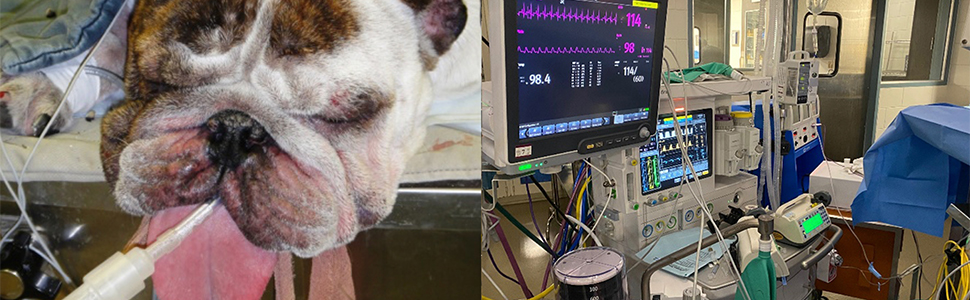
WEEK 1: Respiratory system: brachycephalic syndrome
• Important features and components of the brachycephalic syndrome
• Dynamics of airflow in the upper airways of the brachycephalic animals
• Anesthetic risks and concerns in brachycephalic animals
• PreAnesthetic planning, premedication, induction, and maintenance protocols
• Considerations during anesthetic recovery
• Clinical examples of brachycephalic animals undergoing surgical procedures
WEEK 2: Gastrointestinal system: gastric volvulus dilatation.
• Pathophysiology and clinical manifestation of the animals suffering from GDV
• Anesthetic concerns and complications
• Preanesthetic planning and requirements
• Anesthetic premedication
• Choice of anesthetic induction agents and their impact on the outcome
• Appropriate protocols for anesthetic maintenance
• Required monitoring modalities and their benefits
• Clinical example of a dog undergoing GDV surgical repair
WEEK 3: Anesthetic care of cardiac patients
• Significance of cardiac diseases and impact of anesthesia
• Goals of a successful anesthesia
• Preanesthetic care in animals with cardiac disease
• Anesthetic premedication
• Induction of anesthesia
• Anesthetic maintenance
• Anesthetic management of example cardiac diseases
WEEK 4: Endocrine diseases (I): Diabetes Mellitus and Cushing’s Disease
• Etiology, pathophysiology, and types of diabetes Mellitus in dogs
• Clinical presentation and symptoms in diabetes mellitus
• Preanesthetic planning in animals with diabetes
• Anesthetic premedication, induction, and maintenance protocols in diabetic dogs
• Definition, types, and pathophysiology of Cushing’s disease
• Anesthetic concerns and complications in dogs with Cushing’s
• Preanesthetic evaluation of dogs with Cushing’s
• Anesthetic premedication, induction, maintenance, and monitoring requirements
• Clinical example of a dog with Cushing’s disease undergoing a surgical procedure
WEEK 5: Endocrine diseases (II): Hypo & Hyperthyroidism
• Physiology of thyroid gland function
• Pathophysiology and clinical signs of hypothyroidism in dogs and cats
• Anesthetic risks and complications associated with hypothyroidism
• Choices of anesthetic premedication, induction, and maintenance in hypothyroid dogs and cats
• Monitoring requirements in hypothyroid animals
• A clinical example of a hypothyroid dog undergoing surgical procedure
• Clinical signs, diagnostic measures and Pathophysiology of hyperthyroidism in cats and dogs
• Anesthetic risks and complications in hyperthyroid dogs and cats
• Pre-, during, and post-anesthetic considerations and appropriate drug protocols
• Clinical example of clinical patients with hyperthyroidism undergoing surgical procedures
WEEK 6: Urinary system
• Anatomical Considerations, etiology, and clinical outcome of urinary obstruction
• Diagnosis and laboratory findings in dogs and cats with urolithiasis
• Clinical and paraclinical consequences of urethral obstruction
• Preanesthetic planning and consideration in small animals with urethral obstruction
• Pre-anesthetic stabilization and treatment of hyperkalemia
• Tailored anesthetic protocol and monitoring in animals with urethral obstruction
• A clinical example of an animal with urethral obstruction undergoing surgical repair
WEEK 7: Case study.
WEEK 8: Case study.
THIS COURSE IS NOT A WEBINAR NOR SCHEDULED AT SPECIFIC TIME
This course includes a practical and flexible syllabi so that you can follow the lessons, exams and activities at your own pace. It offers great time flexibility allowing you to join the tutor any time at your convenience: as many times and how you desire.
This practice-oriented course will offer a series of audiovisual lessons and exams. Between the lessons the tutor will be available in interactive sessions, where learning is further optimized through questions/answers, forum, case discussions, quizzes, and much more (all the course material will belong to you for a minimum of one additional year). You also will have the opportunity to interact with other veterinarians. Unlike other forms of e-learning, this online course offers a high level of interaction between students and with the tutor.
THE LEARNING METHOD:
1. Constant presence of the teacher during the entire duration of the course, and available to answer any questions raised by the students. Besides, the teacher sets different interactive activities for the students.
2. The course is attended simultaneously by all students. Enhancing students’ sharing and participatory experience is a Quadam hallmark.
3. All lessons are audiovisual and available at any time.